Smart buildings technology is revolutionizing the way we design and interact with our living and working spaces. By integrating advanced technologies, these buildings enhance efficiency, comfort, and sustainability, making them crucial in contemporary architecture. From energy management systems to Internet of Things (IoT) devices, smart buildings are not just a trend; they represent a significant evolution in how we construct and utilize our environments.
This technology encompasses various smart features that optimize building performance, reduce consumption, and improve occupant experiences. As we explore examples of successful implementations, the potential for smarter, greener urban landscapes becomes evident, highlighting the importance of staying ahead in this rapidly changing field.
Smart Building Technologies Overview
Smart buildings represent a significant evolution in the way we design, construct, and manage our architectural environments. By integrating advanced technology, smart buildings enhance the efficiency, sustainability, and overall living experience for occupants. As urbanization accelerates and environmental concerns grow, the importance of smart buildings in modern architecture cannot be overstated; they serve as a bridge to a more sustainable and efficient future.The core concept of smart buildings revolves around the integration of various technologies that enable these structures to collect and analyze data to optimize their performance.
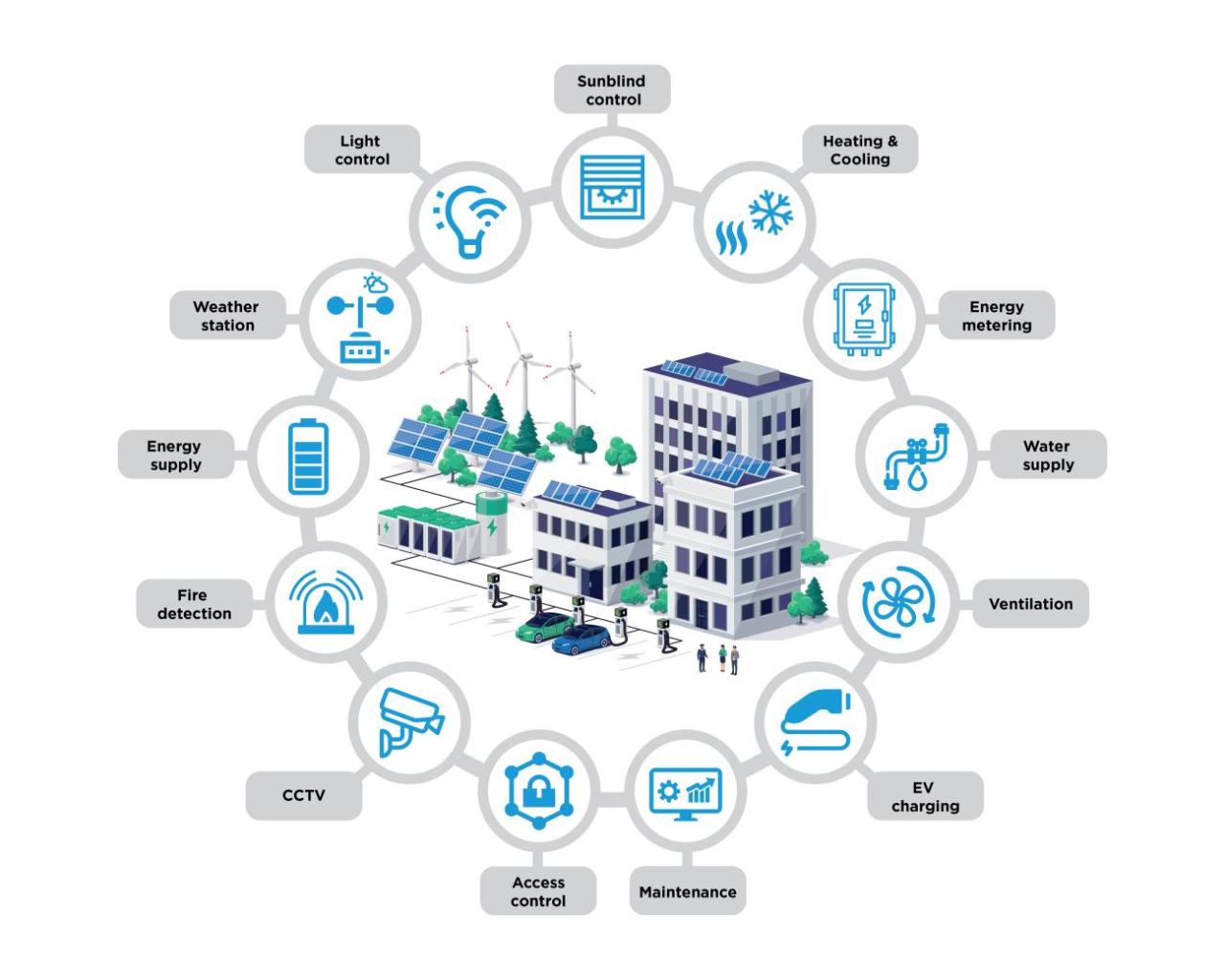
Key technologies that play a crucial role in smart building systems include the Internet of Things (IoT), energy management systems, smart HVAC (Heating, Ventilation, and Air Conditioning), intelligent lighting controls, and advanced security systems. These technologies work in synergy to create environments that are not only comfortable and functional but also energy-efficient.
Key Technologies in Smart Building Systems
The integration of various technologies is vital for the effective operation of smart buildings. Below are some of the key technologies that form the backbone of smart building systems:
- Internet of Things (IoT): This technology allows devices within the building to communicate and share data, enabling real-time monitoring and management of building operations.
- Energy Management Systems: These systems analyze energy usage patterns to optimize consumption, reducing costs and minimizing environmental impact.
- Smart HVAC: Advanced HVAC systems that adapt to occupancy levels and weather conditions, ensuring maximum comfort while maintaining energy efficiency.
- Intelligent Lighting Controls: Automated lighting systems that adjust based on occupancy and natural light availability, enhancing energy savings and user comfort.
- Advanced Security Systems: Integrated security technologies, such as facial recognition and smart access controls, enhance safety for occupants.
Successful implementations of smart building technologies can be seen in various projects around the globe. One notable example is the Edge in Amsterdam, known for its innovative design and energy efficiency. The Edge utilizes cutting-edge technologies like solar panels, rainwater harvesting, and an intelligent lighting system that adjusts based on the availability of daylight. Another prominent example is the Bosco Verticale (Vertical Forest) in Milan, which integrates biodiversity into urban living, featuring thousands of trees and plants that contribute to air quality improvement and energy savings.
Smart buildings not only enhance the quality of life for occupants but also contribute significantly to sustainability efforts.
Integration of Smart Technologies in Commercial Spaces
The integration of smart technologies in commercial buildings offers significant enhancements in efficiency, sustainability, and overall functionality. As these technologies evolve, they create an interconnected environment that maximizes resource utilization while providing a comfortable and secure working atmosphere for occupants.
Benefits of Implementing Smart Technology in Commercial Buildings
Implementing smart technology in commercial spaces leads to various benefits that can enhance operational performance. These benefits include improved energy efficiency, enhanced occupant comfort, streamlined maintenance processes, and greater security measures.
- Energy Efficiency: Smart technologies optimize energy consumption by automatically adjusting lighting and HVAC systems based on occupancy and usage patterns. For instance, a smart thermostat can reduce heating and cooling costs by learning the schedule of the building’s occupants.
- Enhanced Occupant Comfort: Integration of smart sensors allows for personalized environmental controls, improving satisfaction by adjusting factors such as temperature, lighting, and air quality based on real-time feedback.
- Streamlined Maintenance: Predictive maintenance powered by IoT devices can alert facility managers to potential issues before they escalate. For example, a smart building may use sensors to monitor equipment health and schedule maintenance proactively.
- Greater Security: Smart security systems leverage cameras, motion detectors, and access controls to enhance the safety of commercial spaces. Real-time monitoring can identify security threats and allow for rapid response.
Role of IoT Devices in Enhancing Commercial Smart Buildings
IoT devices play a pivotal role in transforming traditional commercial buildings into smart structures. These devices collect and analyze data to create a more responsive and efficient environment.
- Data Collection: IoT sensors gather data on various parameters, including occupancy levels, energy usage, and environmental conditions. This data helps in making informed decisions that lead to resource optimization.
- Automation: Through automation systems, IoT devices can manage lighting, heating, and cooling based on real-time occupancy data, significantly reducing energy waste.
- Remote Monitoring: Facility managers can monitor systems remotely and receive alerts for any irregularities, allowing for timely interventions without being physically present.
Energy Management Systems and Their Impact on Operational Efficiency
Energy management systems (EMS) are critical in optimizing energy consumption and operational efficiency in commercial buildings. These systems enable organizations to track energy use in real-time and identify areas for improvement.
- Real-Time Monitoring: EMS provide real-time data on energy consumption, enabling businesses to identify patterns and make adjustments to reduce costs. For example, a retail store can track energy usage throughout the day to determine peak periods and adjust operations accordingly.
- Cost Savings: By optimizing energy use, companies can significantly reduce their utility bills. A well-implemented EMS can lead to savings of up to 30% on energy costs.
- Sustainability Goals: Many businesses are now focusing on sustainability. EMS can help track and report on energy usage, assisting in achieving corporate sustainability targets and reducing carbon footprints.
“Smart technologies in commercial buildings not only enhance efficiency but also contribute to a sustainable future.”
Future Trends in Smart Building Technology
The landscape of smart building technology is rapidly evolving, driven by advancements in various fields such as artificial intelligence, IoT, and data analytics. These innovations are not only enhancing the functionality and efficiency of buildings but are also reshaping the way we interact with our living and working environments. As we look to the future, several key trends are emerging that promise to redefine smart buildings.
Emerging Technologies Shaping Smart Buildings
The future of smart buildings is being influenced by several cutting-edge technologies that enhance operational efficiency and user experience. These technologies include:
- Artificial Intelligence (AI): AI algorithms are increasingly being integrated into building management systems to predict maintenance needs, optimize energy usage, and improve occupant comfort through personalized settings.
- Internet of Things (IoT): IoT devices connected through sensors and networks provide real-time data that can be utilized for efficient resource management, enhancing security, and ensuring a responsive environment for occupants.
- Edge Computing: By processing data closer to its source, edge computing minimizes latency and reduces bandwidth usage, enabling faster decision-making processes in smart building systems.
- Blockchain Technology: Blockchain can enhance the security and transparency of building operations, particularly in areas like energy trading and data management, creating a trust framework among stakeholders.
Comparison of Traditional Building Management Systems with Smart Building Technologies
Traditional building management systems (BMS) often operate in silos, relying on manual inputs and basic automation to manage HVAC, lighting, and security systems. In contrast, smart building technologies leverage interconnectedness, allowing for seamless communication between various systems and real-time data analysis. This transition results in:
- Improved Efficiency: Smart technologies facilitate proactive maintenance and energy optimization, unlike traditional systems that react to issues as they arise.
- Real-Time Analytics: Smart buildings utilize data analytics to provide insights into user behavior, energy consumption, and operational performance, aiding strategic decision-making.
- Enhanced User Experience: Smart building technologies allow for personalized experiences, adjusting environments based on occupant preferences, a feature often lacking in traditional setups.
Sustainability Contribution of Smart Buildings
Smart buildings play a crucial role in achieving environmental sustainability goals by optimizing resource usage and reducing waste. The integration of smart technologies enables buildings to not only be energy-efficient but also environmentally friendly. Key contributions include:
- Energy Efficiency: Smart buildings utilize innovative energy management systems that monitor and optimize energy consumption, significantly reducing overall energy use and carbon emissions.
- Water Conservation: Water management technologies can track usage patterns and detect leaks in real time, leading to reductions in water waste.
- Indoor Air Quality Management: Advanced air quality sensors ensure optimal ventilation, contributing to healthier indoor environments while minimizing energy usage.
- Renewable Energy Integration: Smart buildings can seamlessly integrate renewable energy sources, such as solar panels, enhancing their sustainability profile and reducing dependence on fossil fuels.
Smart buildings represent a pivotal shift towards sustainable urban living, leveraging technology to create energy-efficient, user-friendly environments.
Closing Notes
In conclusion, smart buildings technology stands at the forefront of architectural innovation, blending modern design with advanced functionalities. As we anticipate future trends, the ongoing integration of smart technologies will play a pivotal role in shaping sustainable urban environments. Embracing this evolution not only benefits individual buildings but contributes to broader environmental goals, making our cities smarter and more efficient.
Common Queries
What are smart buildings?
Smart buildings utilize advanced technologies to enhance their operational efficiency, sustainability, and occupant comfort.
How do smart buildings save energy?
They employ energy management systems and IoT devices to monitor and optimize energy use, significantly reducing waste.
What role does IoT play in smart buildings?
IoT devices enable real-time data collection and analysis, improving building management and enhancing user experiences.
Can smart buildings improve occupant comfort?
Yes, through personalized climate control, smart lighting, and enhanced security systems, they create a more comfortable environment.
Are smart buildings cost-effective?
While initial investments may be higher, long-term savings on energy and operational costs make them financially advantageous.


