The landscape of commercial real estate is evolving rapidly, and the trends emerging for 2025 are set to redefine the market. As we move into a new era, understanding the shifts in demand, technology, and sustainability becomes crucial for investors and businesses alike. This overview will explore how remote work is influencing office space needs, the rise of innovative property types, and the role of advanced technologies in shaping the future of commercial spaces.
With increasing emphasis on eco-friendly practices, the commercial real estate sector is also witnessing a significant transformation through sustainability initiatives. As we delve deeper into these trends, it’s essential to grasp how they will affect real estate decisions and shape the overall market landscape.
Current Trends in Commercial Real Estate

Recent shifts in the commercial real estate market have been shaped significantly by evolving work patterns and urban development strategies. As we approach 2025, understanding these trends is crucial for investors, developers, and stakeholders looking to navigate the changing landscape. The impact of remote work, coupled with a surge in demand for innovative property types, is reshaping how commercial spaces are utilized and valued.The trend of remote work has fundamentally altered the demand for office space, leading to a reevaluation of traditional office environments.
Many companies are adopting hybrid work models, which has resulted in a decline in the need for conventional office spaces. This shift is prompting landlords to reconsider how they design and manage their properties, focusing more on flexibility and amenities that cater to a workforce that is increasingly mobile.
Influence of Remote Work on Office Space Demand
The rise of remote work has led to significant changes in the demand for office spaces. Companies are now prioritizing flexibility in their real estate strategies, leading to the following key points:
- Reduction in Space Requirements: Companies are downsizing their office footprints as employees work remotely part-time or full-time, leading to lower overall demand for traditional office spaces.
- Flexible Workspaces: There is a growing trend toward coworking spaces and shared offices that provide flexibility and short-term leasing options, appealing to businesses looking to minimize long-term commitments.
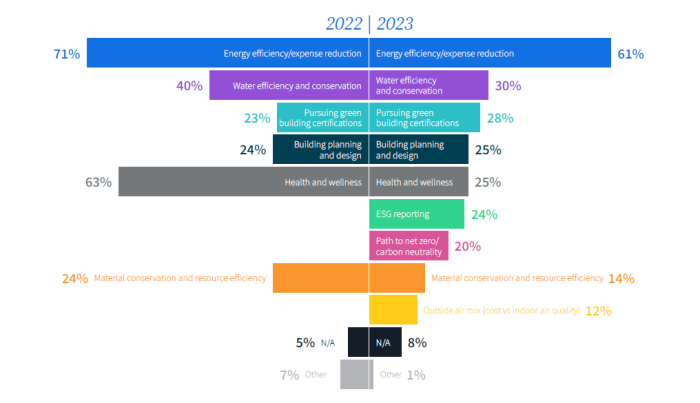
- Focus on Employee Well-being: Businesses are prioritizing health and wellness, leading to a rise in demand for office spaces that incorporate natural light, green areas, and wellness amenities.
Emerging Property Types Gaining Traction
Urban areas are witnessing the emergence of new property types, driven by changing consumer preferences and lifestyle choices. These innovative spaces are transforming the commercial real estate landscape, reflecting the evolving needs of urban dwellers. Some noteworthy trends include:
- Mixed-Use Developments: The demand for spaces that blend residential, commercial, and recreational uses is growing, catering to lifestyle preferences that favor convenience and community.
- Last-Mile Warehousing: With the rise of e-commerce, there is an increasing need for distribution centers located close to urban centers to facilitate quick deliveries, driving investment in last-mile logistics facilities.
- Health and Wellness Real Estate: Properties designed to promote health, such as fitness-focused spaces and medical offices, are gaining popularity as more individuals prioritize health and wellness in their daily lives.
As we look to 2025, the commercial real estate market will continue to adapt, reflecting broader societal changes and the ongoing evolution of work and living environments.
Technological Innovations Shaping the Future
The landscape of commercial real estate is rapidly evolving, primarily driven by technological innovations that are enhancing efficiency, functionality, and the overall experience within commercial spaces. As we move toward 2025 and beyond, smart building technologies, data analytics, and virtual reality are playing pivotal roles in shaping the future of how properties are designed, marketed, and leased.
Smart Building Technologies Transforming Commercial Spaces
Smart building technologies are revolutionizing the functionality of commercial real estate by integrating advanced systems that optimize energy use, enhance security, and improve occupant comfort. Smart sensors, automated lighting, and climate control systems are examples of how these technologies are being implemented. For instance, buildings equipped with IoT devices can monitor energy consumption in real-time and adjust heating or cooling based on occupancy, significantly reducing utility costs.
Moreover, these smart systems contribute to sustainability initiatives, as they help in minimizing the carbon footprint of commercial properties. An example is the Edge, a smart office building in Amsterdam, which has been recognized as one of the greenest and smartest buildings globally. With features like a smart energy management system and advanced workspace utilization analytics, it showcases how technology can create more efficient and environmentally friendly commercial spaces.
Data Analytics in Real Estate Decision-Making
Data analytics is becoming an essential tool in real estate decision-making, providing valuable insights that drive investment strategies and operational improvements. By leveraging big data, real estate professionals can analyze market trends, tenant behavior, and property performance to make informed decisions. For instance, predictive analytics can help identify emerging markets and the potential return on investment for properties in those areas.
Companies are increasingly employing data visualization tools to present complex datasets in a more digestible format, aiding in stakeholder presentations and strategic planning. The ability to analyze demographic data, economic indicators, and even social media trends is enabling investors to anticipate shifts in demand and adjust their portfolios accordingly.
Impact of Virtual Reality in Property Marketing and Leasing
Virtual reality (VR) is transforming property marketing and leasing by providing immersive experiences that allow potential tenants and buyers to explore spaces without physically visiting them. Through VR tours, clients can visualize floor plans and interiors, enhancing their understanding of a property’s layout and design. This technology not only saves time for both buyers and sellers but also increases engagement and interest in properties.
A notable case is the use of VR by real estate firms to showcase commercial developments before they are constructed, allowing stakeholders to experience a project in its entirety. In addition to enhancing the marketing process, VR can facilitate remote leasing, making it easier for companies to finalize agreements with clients who are unable to visit in person. The integration of these technological innovations is not just a trend; it is becoming a standard in the commercial real estate industry, pushing the boundaries of what is possible and setting the stage for a more efficient and engaging future in property management and leasing.
Sustainability and Commercial Real Estate
The importance of sustainability in commercial real estate has grown tremendously, with eco-friendly buildings becoming more than just a trend; they are now essential for long-term viability in the market. As we approach 2025, stakeholders are increasingly recognizing that sustainable practices not only benefit the environment but also improve operational efficiencies and attract a conscientious clientele. This shift is influencing investment strategies, property development, and tenant expectations across the board.In recent years, the market has seen an uptick in eco-friendly building designs and certifications, which reflect a commitment to sustainability.
With climate issues becoming more pressing, commercial property owners are responding by adopting innovative practices and technologies that minimize their carbon footprints. The implications of these trends are significant, as buildings designed with sustainability in mind can command higher rental rates and achieve lower vacancy rates, making them more attractive investments.
Trends in Eco-Friendly Buildings and Market Implications
The rise of eco-friendly buildings has reshaped commercial real estate, with several key trends emerging in this arena. These trends not only reflect the growing awareness of environmental issues but also have tangible market implications.
- Net-Zero Buildings: These buildings aim to produce as much energy as they consume, significantly reducing their environmental impact. They are increasingly sought after, as tenants are more inclined to lease space in properties that demonstrate a commitment to sustainability.
- Green Roofs and Walls: Incorporating vegetation into building designs enhances air quality and promotes biodiversity while providing natural insulation. This trend boosts a property’s aesthetic appeal and helps manage stormwater.
- Smart Building Technologies: The integration of IoT devices allows for real-time monitoring of energy use and facilitates smarter resource management, leading to reduced operating costs and increased tenant comfort.
- Flexible and Adaptive Reuse: The conversion of old buildings into modern, sustainable spaces minimizes waste and preserves historical structures, creating unique properties that attract tenants looking for character.
Green Certifications and Their Importance in 2025
As the demand for sustainable buildings grows, various green certifications have emerged, each with distinct criteria and benefits. These certifications play a crucial role in guiding developers and owners in implementing eco-friendly practices while enhancing property value.
- LEED (Leadership in Energy and Environmental Design): This globally recognized certification emphasizes sustainable site development, water savings, energy efficiency, and material selection. Properties with LEED certification often enjoy lower operating costs and higher marketability.
- BREEAM (Building Research Establishment Environmental Assessment Method): Originating from the UK, BREEAM assesses the sustainability of new buildings and refurbishments, focusing on energy, health, and well-being. It provides a framework for sustainability and supports regulatory compliance.
- WELL Building Standard: This certification focuses on human health and well-being through improved indoor air quality and access to natural light. As employers prioritize employee wellness, properties with WELL certification are becoming increasingly attractive.
- Energy Star: A widely recognized symbol for energy efficiency, buildings that achieve Energy Star certification demonstrate superior energy performance, which can translate to significant cost savings.
Sustainable Practices Adopted by Commercial Property Owners
The adoption of sustainable practices by commercial property owners is crucial for reducing environmental impact and enhancing property appeal. A variety of initiatives are being implemented, reflecting a commitment to sustainability.
- Energy Efficiency Upgrades: Owners are investing in energy-efficient lighting, HVAC systems, and appliances to lower energy consumption and reduce costs.
- Water Conservation Measures: Implementing low-flow fixtures and rainwater harvesting systems contributes to significant water savings and reduces strain on local water supplies.
- Waste Management Programs: Establishing recycling and composting initiatives minimizes landfill contributions and promotes a circular economy.
- Green Landscaping: Using native plants and xeriscaping techniques reduces water usage and enhances biodiversity, aligning with eco-friendly building goals.
- Employee Engagement Initiatives: Encouraging tenants and employees to adopt sustainable practices through education and incentives fosters a culture of sustainability within properties.
Conclusion
In summary, the commercial real estate trends for 2025 highlight a profound shift influenced by technology, changing work habits, and a commitment to sustainability. As businesses adapt to these changes, staying informed and agile will be key to navigating the complexities of the market. The insights gathered here not only reflect current realities but also set the stage for future developments in the commercial real estate sector.
Top FAQs
What are the key factors influencing commercial real estate trends in 2025?
Key factors include remote work dynamics, technological advancements, and sustainability practices.
How is remote work affecting office space demand?
Remote work is leading to a reduced demand for traditional office spaces, prompting a shift towards flexible and hybrid working environments.
What technological innovations are shaping commercial real estate?
Innovations such as smart building technologies, data analytics, and virtual reality are transforming how commercial spaces are managed and marketed.
What are the benefits of sustainable buildings in commercial real estate?
Sustainable buildings often result in lower operational costs, improved tenant satisfaction, and enhanced marketability due to green certifications.
Why is understanding these trends important for investors?
Grasping these trends helps investors make informed decisions, align their strategies with market demands, and capitalize on emerging opportunities.