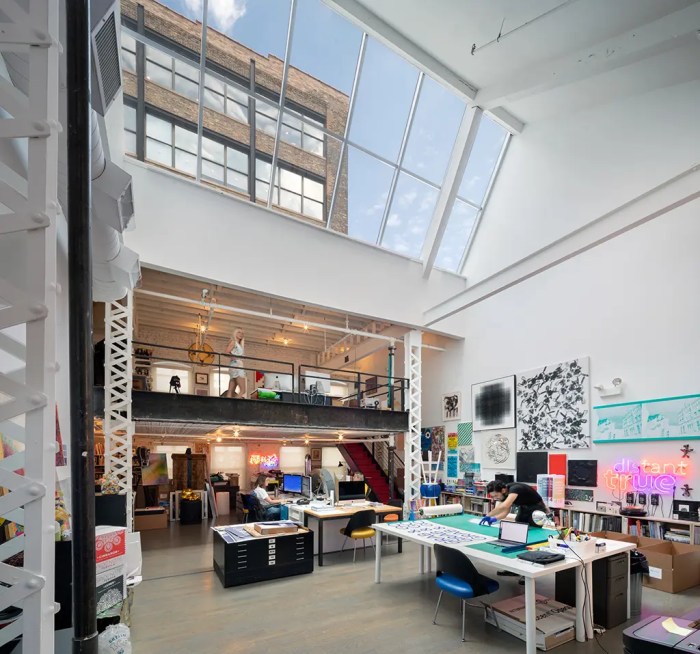
Office space redesign 2025 is set to revolutionize how we perceive and interact within our work environments. As remote work continues to shape the professional landscape, innovative design elements are emerging that cater to flexibility, collaboration, and sustainability. This evolution not only enhances productivity but also prioritizes employee well-being, making the office a more inviting and effective space.
With a strong emphasis on creating spaces that foster mental health and satisfaction, the trends for 2025 are moving towards designs that embrace technology, comfort, and eco-friendliness. From open layouts that encourage teamwork to quiet zones for focused work, the future of office design is here, and it’s more exciting than ever.
Trends in Office Space Redesign for 2025
As we move into 2025, the landscape of office space redesign is undergoing significant transformations driven by technological advancements and changing work dynamics. The pandemic has accelerated trends that were already emerging, leading to innovative and flexible designs that enhance productivity and employee well-being. The integration of remote work into daily routines has reshaped how we think about office environments.The influence of remote work on office design is profound, pushing organizations to rethink traditional layouts.
With many employees opting for hybrid models, spaces are being designed to facilitate collaboration, focus, and comfort. This shift is not just about creating open areas; it’s about strategically planning spaces that accommodate various work styles, ensuring that offices remain appealing and functional.
Emerging Design Elements in 2025
Several innovative design elements are anticipated to dominate office spaces in 2025. These elements focus on flexibility, sustainability, and employee experience, reflecting the evolving nature of work.
- Biophilic Design: Incorporating natural elements into office spaces enhances well-being and productivity. Features such as living walls, indoor gardens, and large windows that offer natural light are becoming staples in modern office design.
- Modular Furniture: The demand for adaptable workspaces is leading to the popularity of modular furniture that can be easily reconfigured based on team needs. This flexibility allows organizations to optimize space for collaborative projects or individual focus tasks.
- Technology Integration: Smart office technology, such as IoT-enabled devices for energy management and virtual collaboration tools, are essential in creating a seamless work environment. These technologies improve efficiency and enhance the overall user experience.
- Sustainable Materials: The emphasis on sustainability is prompting the use of eco-friendly materials in office design. This includes recycled furniture, low-VOC paints, and energy-efficient lighting to reduce the ecological footprint of office spaces.
- Quiet Zones: With the rise of remote work and open office layouts, creating quiet zones for focused work is vital. These areas often feature soundproofing and comfortable seating, allowing employees to concentrate without distractions.
“The office of the future is not just a place to work but a place to thrive.”
Innovative designs that integrate these elements are likely to enhance employee satisfaction, creativity, and productivity, ultimately contributing to the success of organizations in a rapidly evolving work environment.
Commercial Office Redesign Strategies
In 2025, commercial office spaces are undergoing a significant transformation aimed at enhancing employee well-being, fostering collaboration, and integrating advanced technology. As businesses recognize the need for more adaptable and engaging environments, effective redesign strategies become critical for achieving these goals while optimizing functionality.One of the key aspects of a successful office redesign is to focus on creating flexible workspaces that accommodate various working styles.
This adaptability allows employees to choose where and how they work, leading to increased satisfaction and productivity. Additionally, incorporating technology seamlessly into the design can facilitate smoother operations and communication.
Essential Features for Enhanced Productivity
Incorporating specific features into the office design can significantly boost productivity. Here are some essential elements that organizations should consider:
- Collaborative Zones: Spaces designed for teamwork, such as open lounges and brainstorming rooms, encourage idea sharing and innovation.
- Acoustic Privacy: Soundproof areas or booths minimize distractions, allowing for focused work and private conversations.
- Ergonomic Furniture: Adjustable desks and chairs promote comfort and health, reducing work-related injuries and enhancing employee satisfaction.
- Natural Light: Maximizing windows and using light-colored materials can create a bright environment, which studies have shown improves mood and productivity.
- Technology Integration: Incorporating smart tools and connectivity options allows for seamless collaboration and enhances overall efficiency.
These features not only contribute to a more pleasant work environment but also align with the evolving demands of the modern workforce.
Sustainability in Commercial Office Spaces
Integrating sustainability into office design is essential for businesses aiming to reduce their environmental impact and appeal to eco-conscious employees. Sustainable design involves using materials and practices that are environmentally friendly and resource-efficient.Implementing energy-efficient systems is a foundational strategy. This includes using LED lighting, smart thermostats, and energy-efficient appliances that reduce energy consumption. Moreover, utilizing sustainable materials like recycled or locally sourced building materials can significantly lower the carbon footprint of the redesign.Incorporating green spaces, such as indoor plants or living walls, not only enhances air quality but also provides a calming aesthetic that promotes mental well-being.
Additionally, creating spaces for recycling and waste reduction encourages responsible behavior among employees.In conclusion, as the landscape of commercial office environments continues to evolve, adopting effective redesign strategies and prioritizing sustainability will be vital in creating workspaces that are not only productive but also aligned with the values of the modern workforce.
Employee Well-being and Office Space
The relationship between office design and employee well-being is becoming increasingly evident as companies strive to create environments that support mental health and overall satisfaction. A well-designed workspace can significantly influence the well-being of employees, which in turn can enhance productivity, engagement, and job satisfaction. As we look toward 2025, it is crucial to examine how the physical layout and aesthetics of office spaces impact the mental health of the workforce.Modern office environments are evolving to prioritize features that promote mental health.
This shift is largely driven by the recognition that employee well-being directly correlates with their performance and the organization’s success. Elements such as natural light, biophilic design, and collaborative spaces play a pivotal role in fostering a positive work atmosphere.
Features that Promote Mental Health in Redesigned Office Environments
Incorporating specific features into office design can significantly enhance mental health. Understanding these elements can help organizations create healthier workspaces. Here are key features that contribute to employee well-being:
- Natural Light: Access to natural light has been linked to improved mood and lower stress levels among employees. Large windows and open layouts can facilitate this connection to the outdoors.
- Biophilic Design: Integrating plants and natural elements into the workspace can reduce stress and increase productivity, creating a calming atmosphere.
- Flexible Work Areas: Providing various settings such as quiet zones, collaboration spaces, and break areas supports different working styles and promotes mental rejuvenation.
- Wellness Rooms: Designating spaces for relaxation, meditation, or brief naps can help employees recharge and manage stress effectively.
- Sound Management: Acoustic panels and strategic layout can minimize noise distractions, improving concentration and reducing anxiety.
Comparing traditional versus modern office layouts reveals significant differences in employee satisfaction. Traditional office designs often included cubicles and closed-off spaces, which can lead to feelings of isolation and hinder collaboration. In contrast, modern designs prioritize open spaces, communal areas, and flexible workstations, fostering a sense of community and teamwork.
Comparative Analysis of Traditional and Modern Office Layouts
Analyzing employee satisfaction in traditional and modern office layouts highlights how design choices can influence overall well-being. The following points illustrate this comparison:
- Collaboration: Modern offices encourage collaboration through open spaces and shared resources, while traditional designs limit interaction.
- Privacy: Traditional cubicles offer limited privacy, which can lead to distractions, unlike modern offices that provide designated quiet areas.
- Flexibility: Modern layouts allow for adaptable spaces that can be reconfigured based on team needs, contrasting with the rigidity of traditional setups.
- Aesthetics: The use of vibrant colors, art, and natural elements in modern designs can enhance mood, while traditional offices often have a more sterile appearance.
- Employee Engagement: Surveys indicate that employees in modern environments report higher levels of job satisfaction and engagement compared to those in traditional offices.
“The workspace should be a place where employees feel valued, supported, and inspired. The design should reflect these values to foster a culture of well-being.”
By focusing on the features that support mental health and comparing traditional and modern layouts, it is clear that office redesign is not just a trend but a necessary evolution for promoting employee well-being in the workplace.
Last Recap

In conclusion, the journey of office space redesign for 2025 highlights a significant shift towards environments that not only boost productivity but also prioritize the health and happiness of employees. By embracing emerging trends and innovative strategies, companies can create spaces that reflect modern work dynamics, ensuring that both businesses and their employees thrive in this new era.
Answers to Common Questions
What are the key trends for office space redesign in 2025?
Key trends include flexible layouts, incorporation of technology, focus on sustainability, and design elements that enhance employee well-being.
How does remote work affect office design?
Remote work encourages designs that support collaboration when in-office and provide quiet spaces for focused tasks, adapting to hybrid work models.
What features enhance productivity in redesigned offices?
Features such as ergonomic furniture, ample natural light, collaborative areas, and quiet zones are essential for boosting productivity.
How can sustainability be incorporated into office designs?
Sustainability can be achieved through the use of eco-friendly materials, energy-efficient systems, and designs that promote recycling and reduced waste.
What is the relationship between office design and employee mental health?
A well-designed office can significantly enhance mental health by reducing stress, increasing job satisfaction, and fostering a sense of community among employees.


